More Crude Protein Is Not the Same as More Milk Protein
When milk protein weakens, adding more protein feed may increase nitrogen losses before it improves the bulk tank.
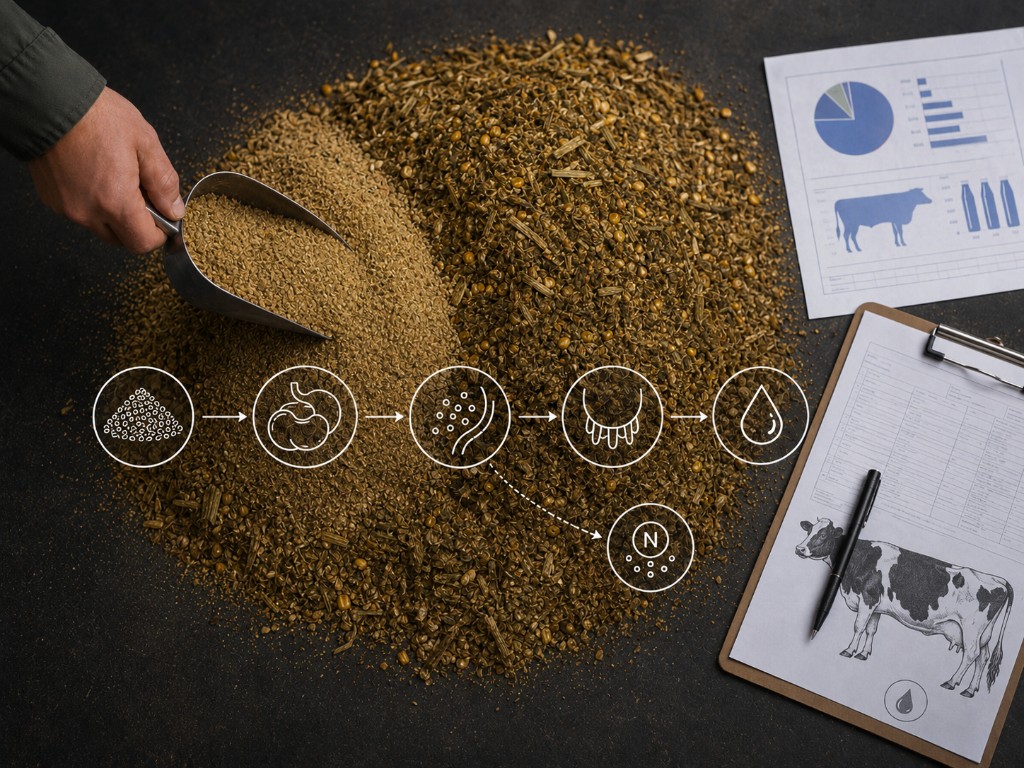

Courtesy of BarnX
The expensive shortcut
When milk protein falls, a common reaction is to add soybean meal, canola meal or another high-protein ingredient. Sometimes that is justified. But crude protein is a rough inventory of dietary nitrogen, not a direct measurement of the amino acids available to make milk protein.
The National Academies defines crude protein as nitrogen multiplied by 6.25. It recommends assessing protein nutrition through metabolizable protein and absorbed amino acids because feeds differ in rumen degradation, intestinal digestibility and amino-acid composition. Two rations can therefore contain the same crude protein while delivering different usable protein supplies.
What must happen before feed protein becomes milk protein?
A cow receives metabolizable protein from two main sources:
- Microbial protein, produced when rumen microbes capture rumen-degradable nitrogen while fermenting starch, fibre and other carbohydrates.
- Digestible rumen-undegraded protein, the portion of feed protein that escapes the rumen and is digested in the intestine.
The resulting amino acids still require adequate energy and the right balance to support mammary protein synthesis. If rumen-degradable protein, undegraded protein or individual amino acids are supplied beyond what the system can use, excess nitrogen is converted largely to urea and excreted. Adding protein can therefore raise milk urea nitrogen and urinary nitrogen without correcting milk protein.
This is why crude protein cannot identify the true bottleneck by itself.
A controlled study shows the plateau
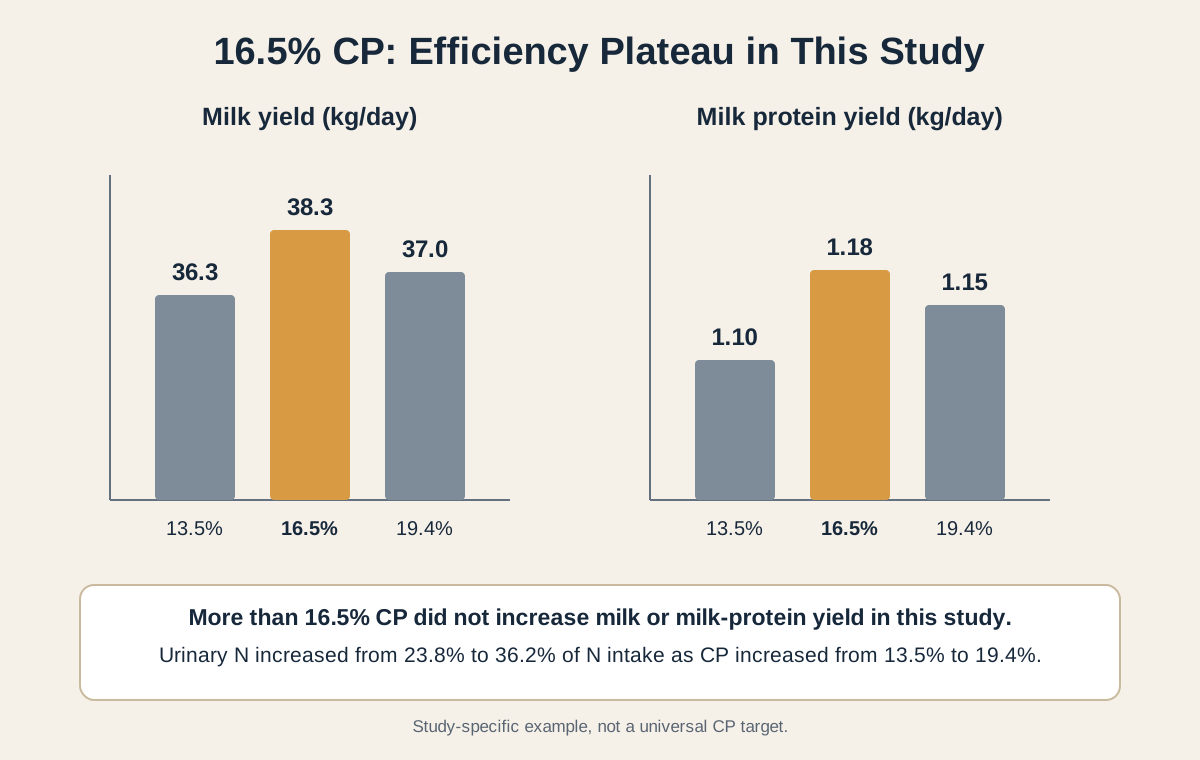
In a study with 40 lactating Holstein cows, researchers fed diets containing 13.5%, 15.0%, 16.5%, 17.9% or 19.4% crude protein on a dry-matter basis. Dry matter intake did not change significantly. Milk and milk-protein yields reached 38.3 kg and 1.18 kg per day at 16.5% crude protein, and feeding more than 16.5% did not increase either output under those study conditions.
Nitrogen losses continued to change. As dietary crude protein rose from 13.5% to 19.4%, urinary nitrogen increased from 23.8% to 36.2% of nitrogen intake. The share captured in milk declined from 36.5% to 25.4%.
Courtesy of BarnX
That does not establish 16.5% as a universal target. The cows, ingredients, production level, forage base and experimental design were specific. It demonstrates the mechanism: once usable protein supply is no longer limiting, additional crude protein can become waste rather than milk.
The energy side of the protein response
A 2024 meta-analysis found that milk-protein prediction improved when absorbed amino acids and digested energy were considered together instead of relying on a first-limiting-protein approach. This matters on farms where crude protein appears adequate but dry matter intake, forage digestibility, starch availability or feeding consistency is weak.
Microbes cannot efficiently capture rumen nitrogen without fermentable substrate. The mammary gland also cannot fully use absorbed amino acids when energy supply is inadequate. In those cases, buying more protein may treat the ration report rather than the cow.
A simple cost check
Consider cows consuming 23.5 kg of dry matter:
- At 16.5% CP, intake is about 3.88 kg CP/day.
- At 18.0% CP, intake is about 4.23 kg CP/day.
- The difference is 353 g CP, equivalent to about 56 g additional nitrogen per cow per day.
Whether that extra nitrogen creates milk protein depends on what was limiting before the change. If energy, microbial growth, digestibility, amino-acid balance or intake remains limiting, much of the added nitrogen may leave through urine.
Farm takeaway: investigate before adding protein
Before raising ration crude protein, check:
- Milk protein yield in kilograms per cow per day, not percentage alone.
- Actual dry matter intake and whether cows receive the formulated ration.
- Recent forage, ingredient-moisture, sorting and feed-delivery changes.
- Rumen-degradable protein relative to fermentable carbohydrate.
- Metabolizable protein and individual amino-acid supply.
- Milk urea nitrogen as supporting evidence, not a standalone prescription.
- The expected milk-value response against the added feed cost.
The correct question is not ‘How can we raise crude protein?’ It is ‘Which usable nutrient is currently limiting milk protein production?’
A protein increase can be the right correction, but only after the limitation is identified. Start with the cow, the actual intake and the complete nutrient supply—not a single percentage on the ration sheet.
Continue on the desk
Other briefs worth a read while you are here.
 Feed & LivestockThe Hidden Caloric Cost of Pellet FinesFines are often treated as a handling nuisance. Effective Caloric Value research shows they can also drain up to 187 kcal/kg of apparent metabolizable energy through the physical effort of eating—changing FCR even when the formula on paper looks strong.
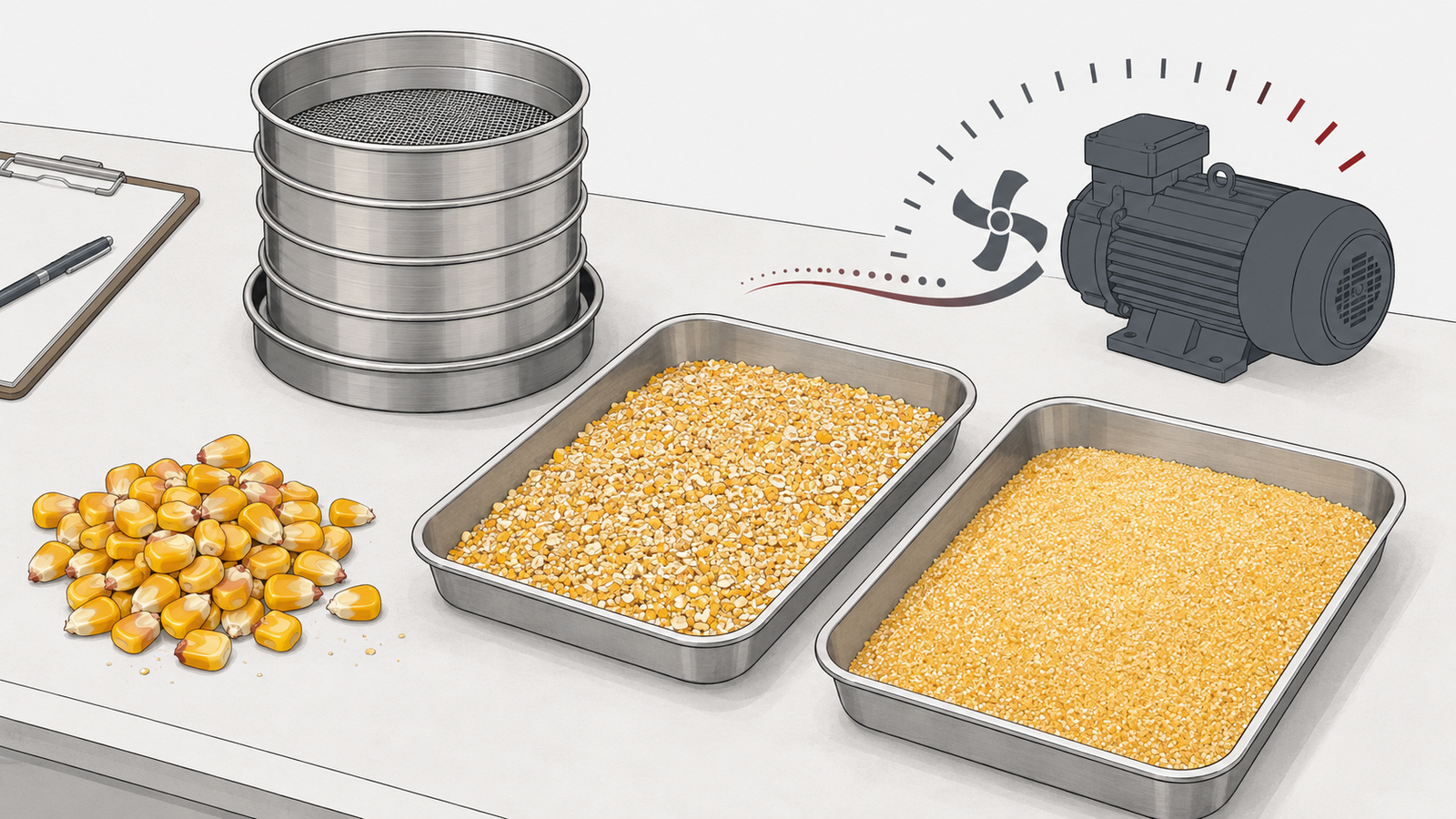 Feed & LivestockFiner Grinding Improves Feed Efficiency but Costs Mill CapacityIn a controlled finishing-pig study, reducing corn particle size from 1,000 to 400 µm improved gain per unit of feed by 8%, but it also increased grinding energy, reduced production rate and increased stomach lesions. The right target is a documented mill-and-animal compromise, not simply the finest grind available.
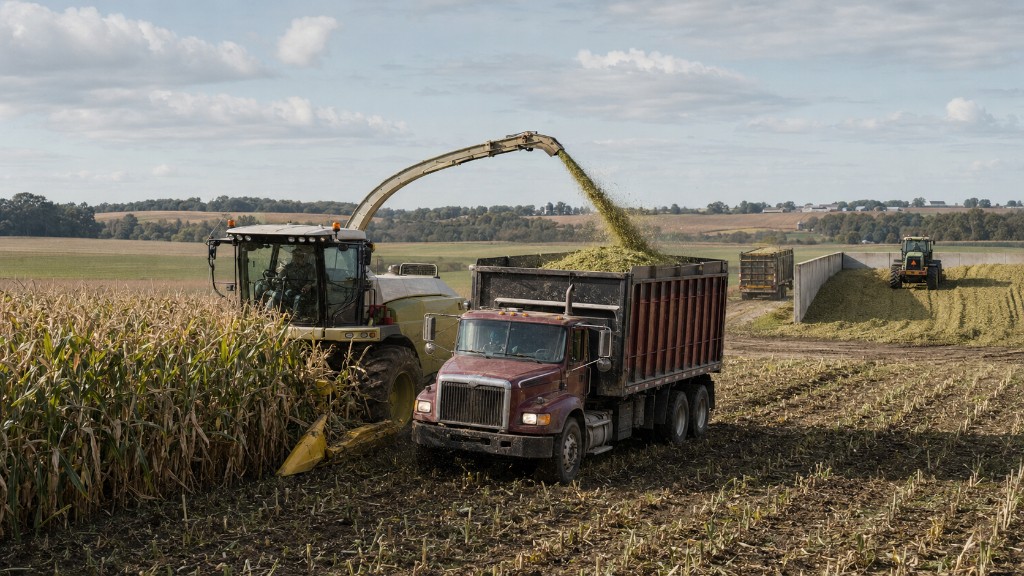 Feed & LivestockCorn Silage Harvest Is a Chain of Decisions, Not a DateCorn silage quality cannot be repaired after the bunker is closed. As harvest approaches, farms should manage moisture, kernel processing, packing capacity, sealing and forage transition as one connected process.