Corn Silage Harvest Is a Chain of Decisions, Not a Date
Whole-plant dry matter starts the harvest decision, but processing, packing, sealing and the new-crop transition determine how much usable feed reaches the cow.

Courtesy of BarnX
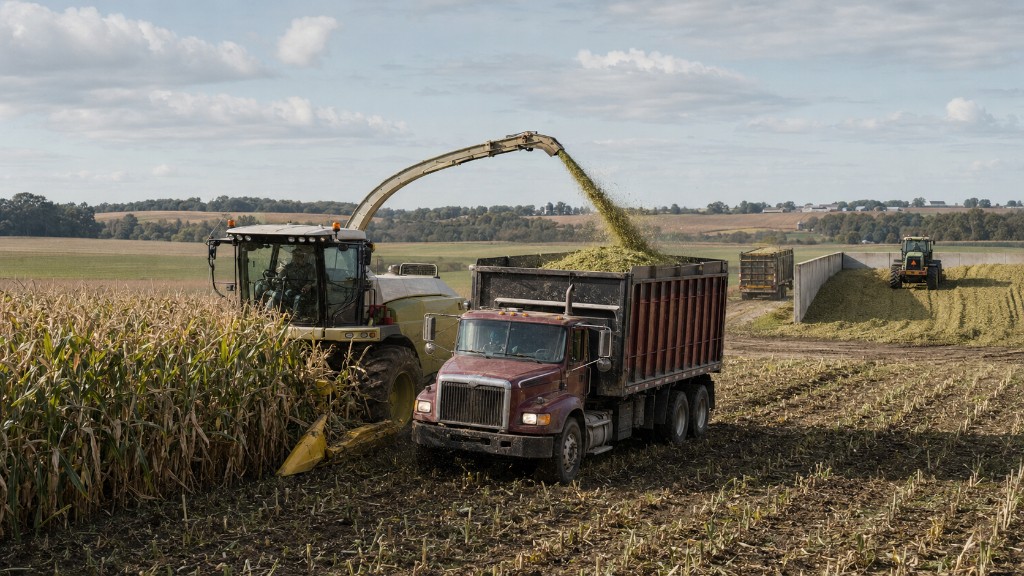
Corn silage harvest is often discussed as a question of timing: Which day should the chopper start?
That is important, but it is incomplete. The crop can enter the field at the right moisture and still become disappointing silage if kernels remain intact, trucks outrun the packing tractors, the bunker is overfilled or sealing is delayed.
The better way to manage harvest is as a chain of controls. Each step protects the value created by the one before it.
A good harvest date cannot compensate for poor processing or trapped air.
Courtesy of BarnX
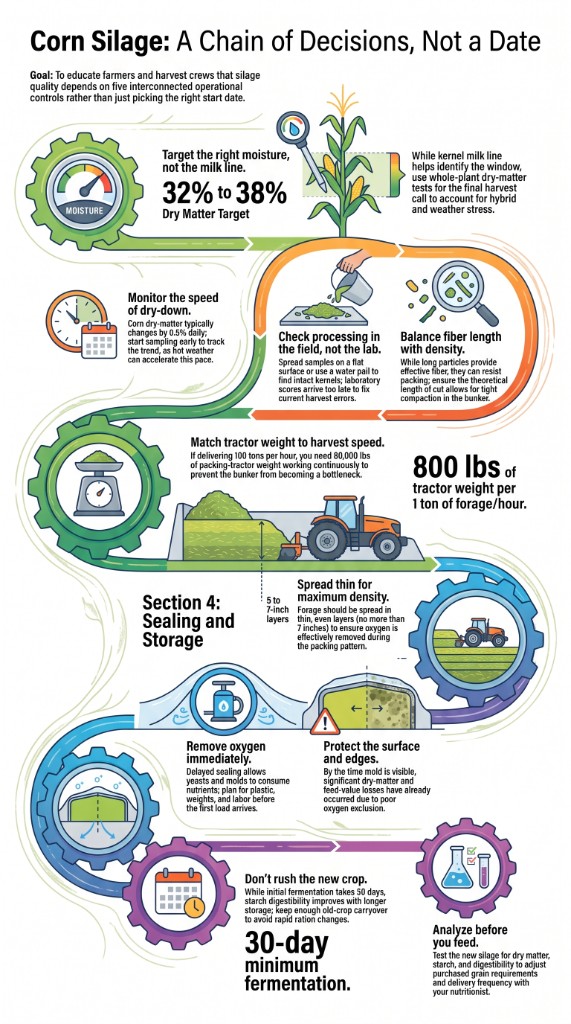
1. Use milk line to start looking, not to make the final call
Kernel milk line and days after silking can help identify when a field is approaching harvest. They should not replace a representative whole-plant dry-matter test.
Hybrid, weather, soil and plant stress can change the relationship between kernel maturity and whole-plant moisture. Sampling the whole plant is therefore the stronger decision tool.
Most current extension guidance places the practical corn silage harvest window around 32% to 38% dry matter, but the exact target depends on the storage structure and farm conditions. The useful number is the dry matter of the crop that will actually enter the silo, not the appearance of a few ears at the field edge.
Start sampling early enough to measure the direction and speed of dry-down. Corn often changes by roughly half a percentage point of dry matter per day, but hot, dry weather can accelerate it. A single test is a snapshot. Repeated tests create a harvest plan.
Harvesting too wet can mean lower starch concentration, seepage and inefficient fermentation. Waiting too long can make the crop harder to process and pack, increasing porosity and the risk of heating and spoilage.
2. Check processing during harvest, not after fermentation
Kernel processors do not stay correctly adjusted simply because they were set at the beginning of the day.
Dry matter, hybrid, field conditions, crop maturity and harvest rate can all change chopper performance. The crew should take repeated grab samples as fields and conditions change.
Spread a sample on a flat surface or separate the kernels in a pail of water. Look for intact kernels and large kernel pieces. If whole or barely damaged kernels are easy to find, the processor needs attention.
Also check the effective chop. Longer particles may support physically effective fibre, but a crop chopped too long can resist packing. The right theoretical length of cut must work with the processor settings, crop moisture and ration goals.
A laboratory corn silage processing score is valuable for evaluating the stored feed, but it arrives too late to correct that field. Real-time checks protect the current crop.
3. Match packing capacity to the speed of harvest
Fast chopping is not automatically efficient harvesting. If forage arrives faster than it can be spread and packed, the bunker becomes the bottleneck.
Cornell guidance uses a practical rule of thumb of about 800 pounds of packing-tractor weight for every ton of fresh forage delivered per hour. A delivery rate of 100 tons per hour would therefore require roughly 80,000 pounds of packing-tractor weight working continuously. This is a planning guide, not a substitute for evaluating the actual silo, equipment and safe operating conditions.
Forage should be spread in thin, even layers, commonly no more than about five to seven inches before packing. The packing pattern should cover the centre and edges consistently.
The key operational question is not “How fast can we chop?” It is “How fast can the whole system harvest, transport, spread and pack without losing control?”
4. Seal the crop as part of harvest
Fermentation depends on removing oxygen and keeping it out. Covering is not a cleanup job for the following day.
Plan the plastic, oxygen-barrier film, weights, labour and safe access before chopping begins. Seal the surface and edges promptly and uniformly. Avoid building a rounded, overfilled bunker that cannot be packed or covered safely.
Poor sealing allows yeasts and moulds to use valuable nutrients. By the time visible mould appears, dry-matter and feed-value losses have already occurred.
5. Plan the transition before the old crop runs out
New-crop corn silage is not the same feed as the previous crop. Dry matter, starch, fibre digestibility, fermentation acids and kernel processing can all change.
Initial fermentation can occur in about 30 days, but starch digestibility generally continues to improve with longer storage. Farms that exhaust old-crop inventory immediately after harvest have less flexibility and may be forced into a rapid ration change.
Keep enough carryover when possible, sample the new silage after fermentation and review at least dry matter, crude protein, NDF, starch, NDF digestibility and kernel processing. Transition gradually with the nutritionist rather than swapping crops by calendar date.
This change also matters to the feed mill. A new forage analysis can alter purchased grain or supplement requirements, delivery frequency and expected bin drawdown. Early communication gives customer service, nutrition, production and dispatch time to adjust together.
Corn silage quality is not created by one perfect decision. It is preserved by a team that keeps the entire harvest chain under control.
More in Feed & Livestock
Other briefs in this lane — each stands on its own.
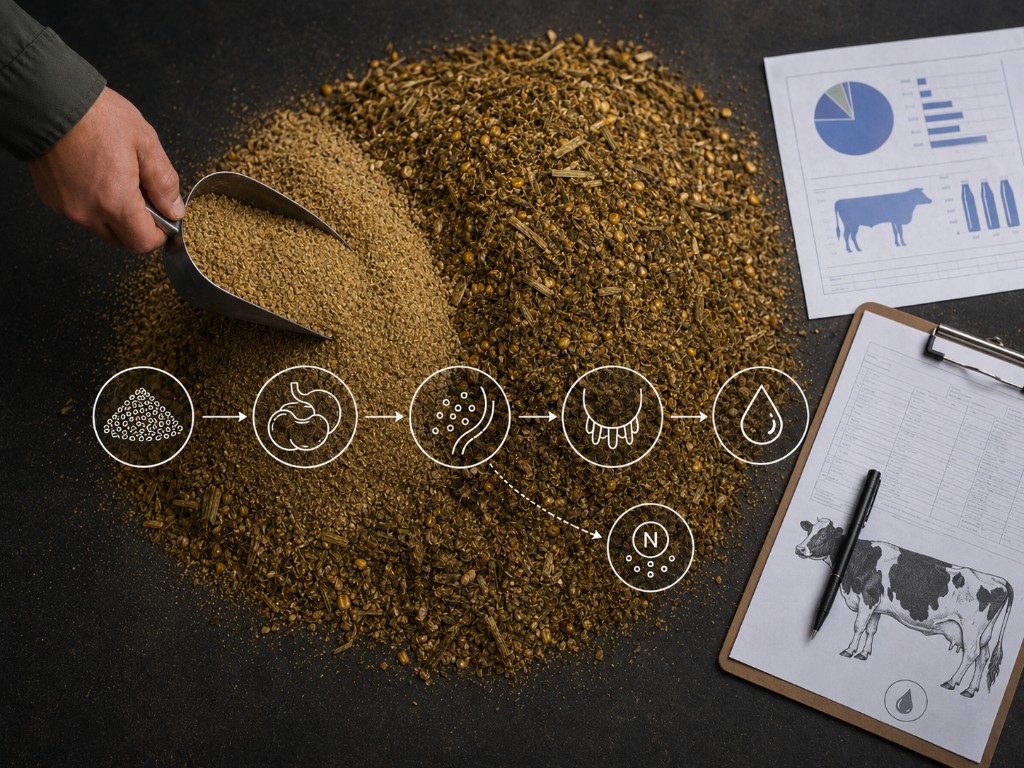 More Crude Protein Is Not the Same as More Milk ProteinCrude protein describes how much nitrogen is in a ration, not how much balanced, digestible amino-acid supply reaches the mammary gland. Before increasing soybean meal, canola meal or another protein source, identify whether the real limitation is intake, rumen microbial protein, metabolizable protein, amino acids or energy.
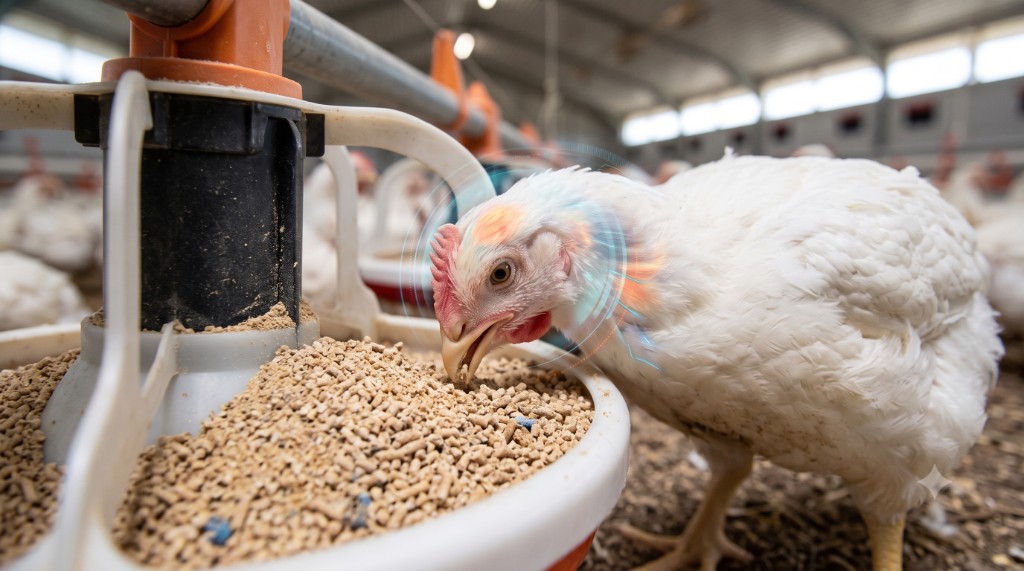 The Hidden Caloric Cost of Pellet FinesFines are often treated as a handling nuisance. Effective Caloric Value research shows they can also drain up to 187 kcal/kg of apparent metabolizable energy through the physical effort of eating—changing FCR even when the formula on paper looks strong.
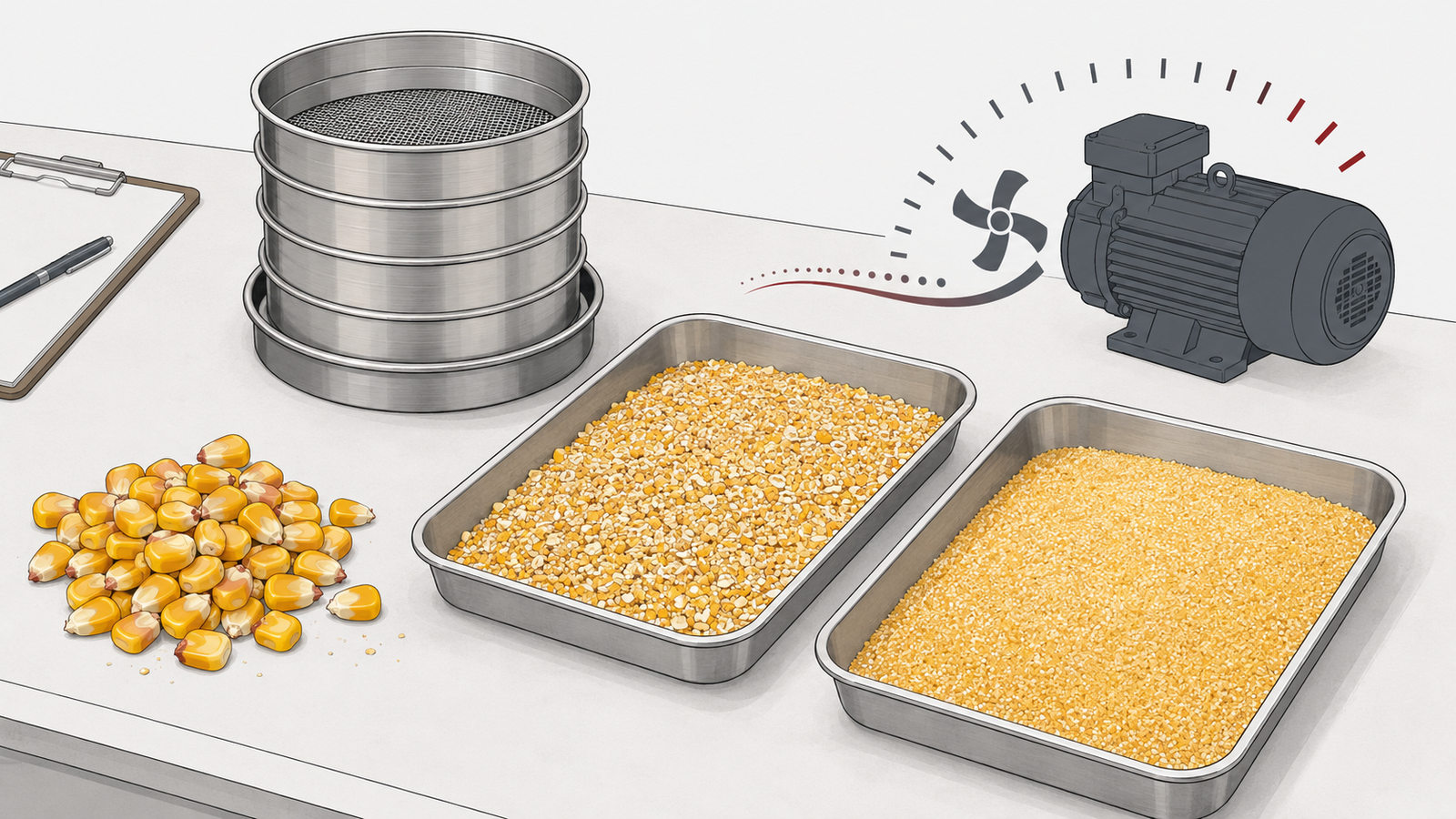 Finer Grinding Improves Feed Efficiency but Costs Mill CapacityIn a controlled finishing-pig study, reducing corn particle size from 1,000 to 400 µm improved gain per unit of feed by 8%, but it also increased grinding energy, reduced production rate and increased stomach lesions. The right target is a documented mill-and-animal compromise, not simply the finest grind available.
Continue on the desk
Briefs from other lanes worth a read while you are here.
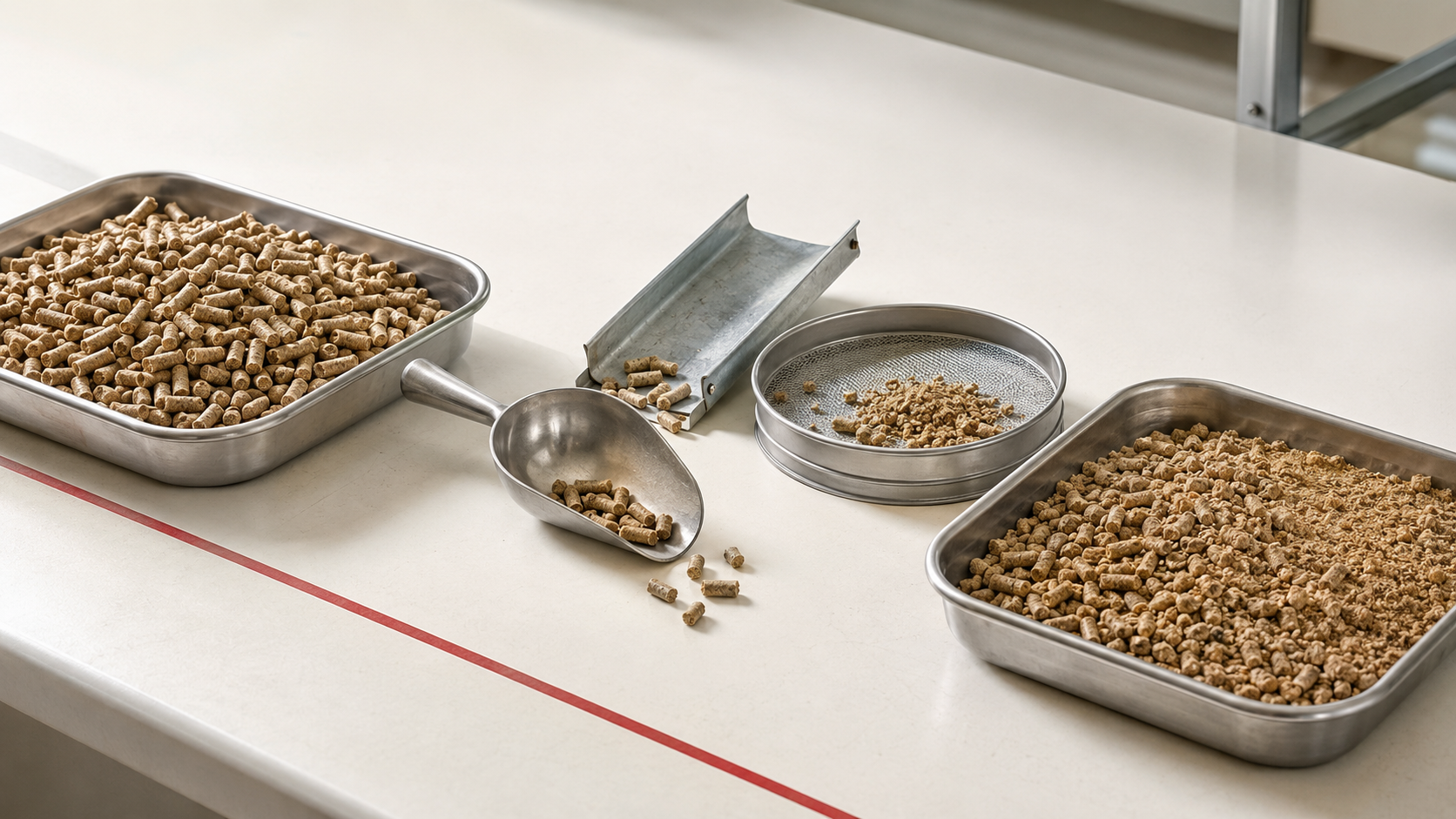 Logistics & DeliveryBroken Pellets Nearly Tripled. The Durability Test Barely Moved.A pellet durability index can remain high while the share of broken pellets in the load rises sharply. Mills need both mill-side PDI and downstream fines or breakage measurements to know what reaches the feeder.
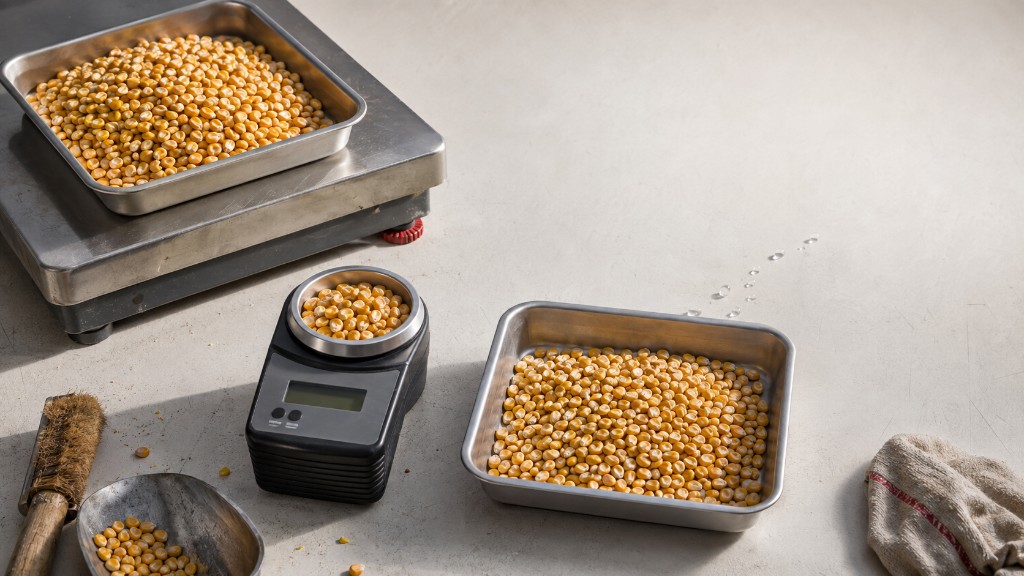 Grain & IngredientsA Two-Point Moisture Drop Costs More Than Two Percent of the WeightIf 100 tonnes of corn move from 15% to 13% moisture, the theoretical water shrink is 2.30 tonnes, not 2.00. Understanding that mass balance helps mills separate expected moisture loss from handling loss, measurement error and unexplained inventory variance.
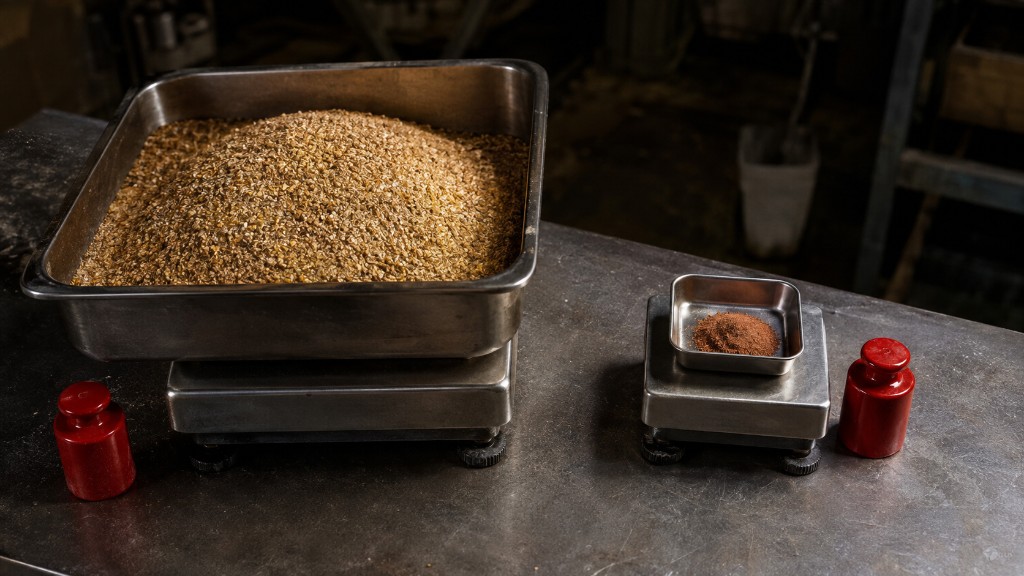 Mill OperationsThe Smaller the Inclusion, the Bigger a Fixed Scale Error BecomesScale accuracy is not one percentage that applies equally to every ingredient. Because relative deviation equals absolute weighing error divided by target weight, the same 1 kg error is 0.1% at 1,000 kg but 10% at 10 kg.