Canada’s Feed-Import Transition Is Over: What Mills Need to Check Now
The July 20 deadline turned importer licensing, product status and supplier documentation into immediate receiving risks.

Courtesy of BarnX
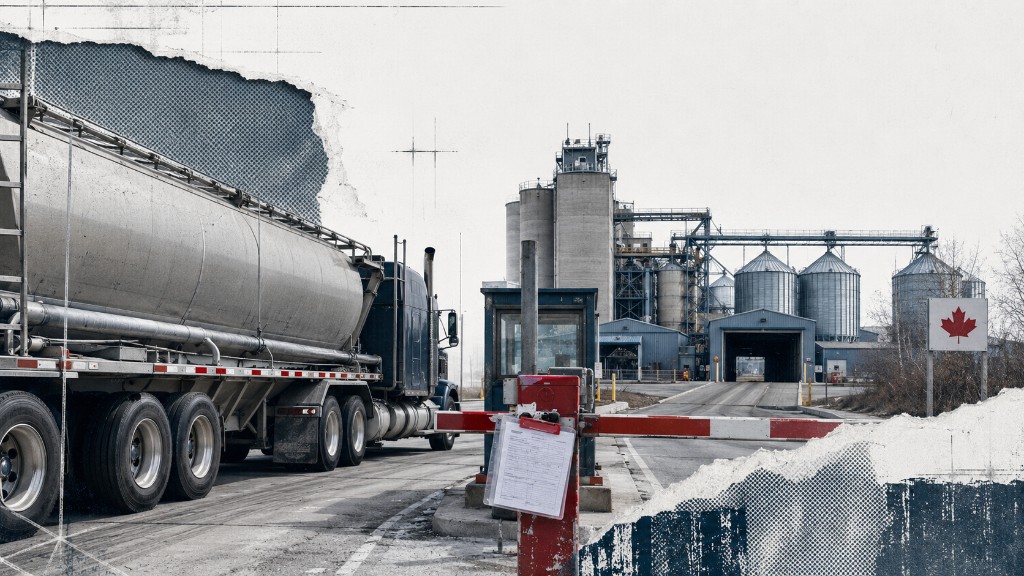
Canada’s temporary transition for importing livestock feed ended on July 20, 2026. For feed mills that source ingredients across the border, this is no longer a future compliance date. It is a live purchasing and receiving requirement.
The change closes a temporary route that had allowed single-ingredient feeds listed in Part 1 of the Canadian Feed Ingredients Table to enter Canada using “proof of exemption from feed registration” in the Automated Import Reference System.
That option is now gone. The Canadian Food Inspection Agency says imported livestock feeds, including Part 1 single-ingredient feeds, must now be registered or imported by the holder of a valid livestock feeds licence.
The compliance decision now happens before the truck reaches the border, not when it arrives at the mill.
What actually changed
The Feeds Regulations, 2024 came fully into force on December 17, 2025. CFIA then allowed a temporary period for shipments already in transit and for businesses adapting to the new process. That period ended July 20.
For commercial feed imports, the regulatory path depends on the product and activity. A mill importing an unregistered feed for use in feeds that will be sold generally needs a livestock feeds licence. Registering the imported feed is the alternative route in cases where registration is available or required.
Farms importing feed solely for their own livestock do not require a licence, but the feed must be registered. Feed mills should not apply that exception to commercial ingredients entering products for sale.
A licence is only one part of the requirement
Treating this as only a customs-document problem would be a mistake. Under the modernized rules, the importer also has responsibility for the conditions under which the feed was manufactured, stored, packaged and labelled.
CFIA’s importer guidance says the business must be able to demonstrate that the imported feed was produced under conditions offering the same level of protection as Canadian activities governed by a preventive control plan.
The importer must also maintain a written preventive control plan for its own activities and keep traceability records. For feed imported for sale, those records include:
- The feed name and lot number.
- The date and source of receipt.
- Supplier contact information.
- The customer or location to which the feed was shipped or sold.
Imported feed must also meet Canadian safety, compositional and labelling requirements. A valid licence does not make a non-compliant product acceptable.
Where disruption is most likely
The immediate risk is an assumption buried in an established purchasing routine proving false at the wrong moment.
A supplier may believe the product is exempt. A broker may assume the mill holds the licence. Purchasing may have the correct documentation, while receiving cannot connect it to the lot on the truck. A substitute ingredient may be nutritionally acceptable but follow a different registration or import path.
Any of those gaps can turn a routine inbound load into a production problem. If the ingredient feeds several formulas, one delayed shipment can affect batching, substitutions, inventory allocation and customer delivery commitments.
Five checks before the next imported load
Feed mills should confirm:
- The exact ingredient name and its status in the current Canadian Feed Ingredients Table.
- Whether the feed requires registration or may be imported by a licence holder.
- Which business is the importer and whose licence covers the activity.
- Whether supplier evidence supports the mill’s preventive control plan.
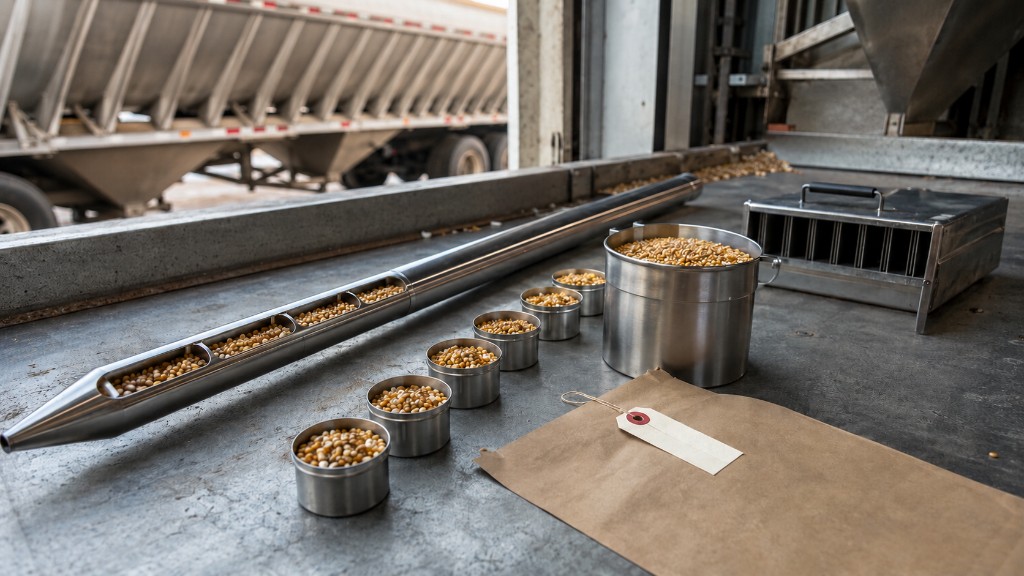
- Whether the purchase order, border documents, receiving record and lot-traceability data match.
This review should cover current suppliers, not only new ones. The July 20 change removed a route that businesses may have used for familiar Part 1 ingredients.
The operational lesson
Compliance is strongest when it is built into the purchasing and receiving workflow. If licence status lives in one file, supplier approval in another and lot records somewhere else, the mill is depending on people to reconnect the chain under time pressure.
The better approach is a defined gate: the ingredient is approved, the responsible importer is identified, the required documents are attached, and receiving can match the arriving lot before it enters inventory.
Requirements can vary with the feed and activity, so mills should confirm their situation through CFIA guidance and AIRS. The transition has passed. “We have always brought it in this way” is no longer a control.
More in Safety & Regulation
Other briefs in this lane — each stands on its own.

Continue on the desk
Briefs from other lanes worth a read while you are here.
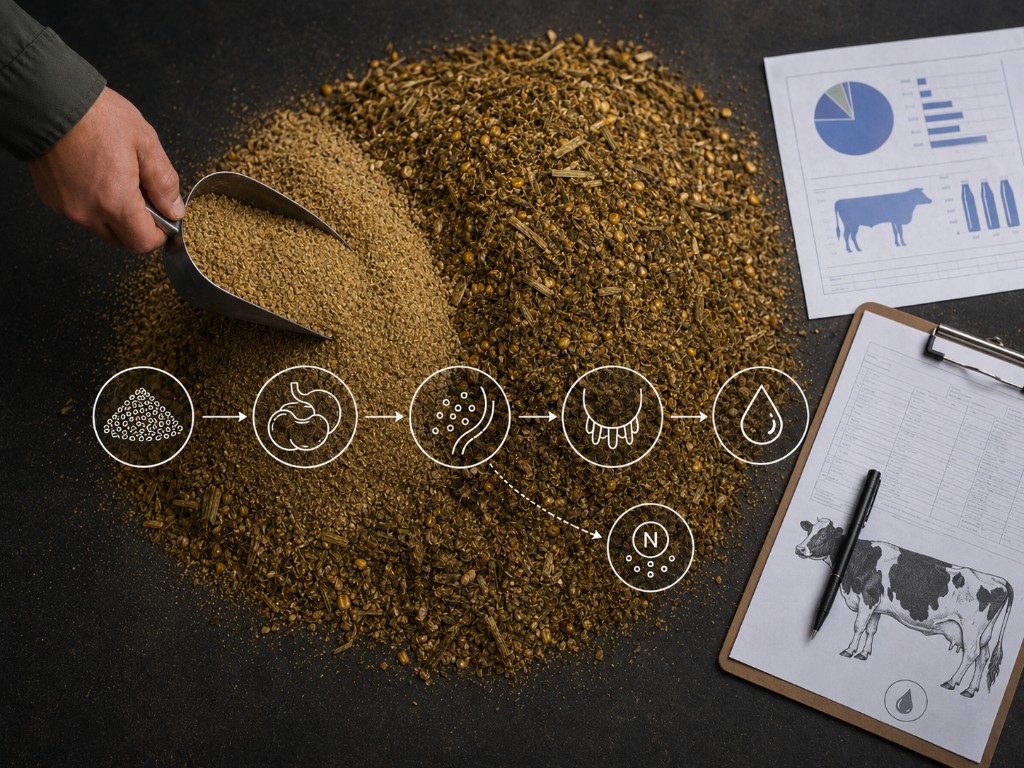 Feed & LivestockMore Crude Protein Is Not the Same as More Milk ProteinCrude protein describes how much nitrogen is in a ration, not how much balanced, digestible amino-acid supply reaches the mammary gland. Before increasing soybean meal, canola meal or another protein source, identify whether the real limitation is intake, rumen microbial protein, metabolizable protein, amino acids or energy.
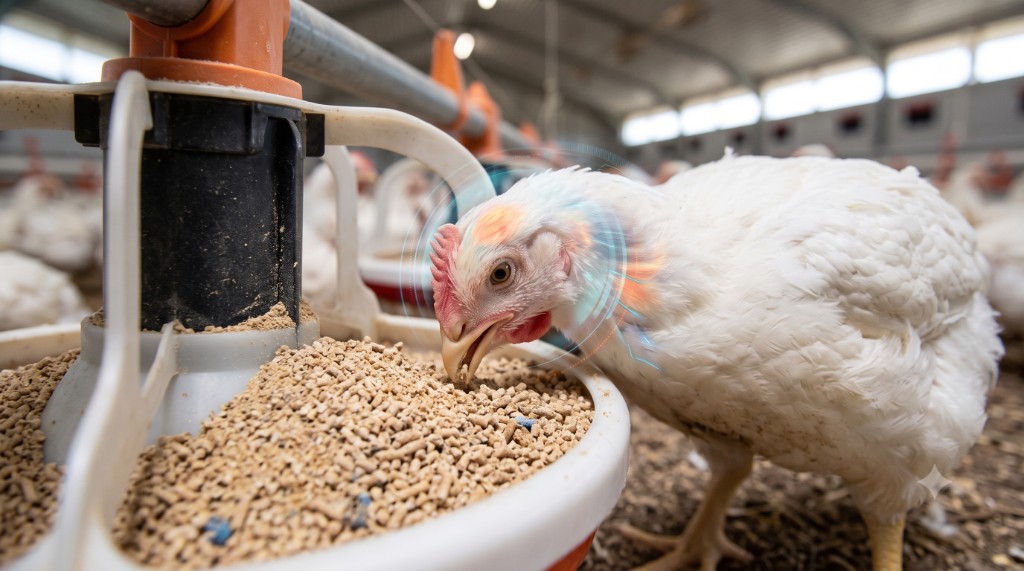 Feed & LivestockThe Hidden Caloric Cost of Pellet FinesFines are often treated as a handling nuisance. Effective Caloric Value research shows they can also drain up to 187 kcal/kg of apparent metabolizable energy through the physical effort of eating—changing FCR even when the formula on paper looks strong.
 Logistics & DeliveryBroken Pellets Nearly Tripled. The Durability Test Barely Moved.A pellet durability index can remain high while the share of broken pellets in the load rises sharply. Mills need both mill-side PDI and downstream fines or breakage measurements to know what reaches the feeder.