One Rush Order Can Break the Sequence
Production sequencing controls carryover only while the real manufacturing path still follows the approved plan.


Courtesy of BarnX
A feed mill can begin a shift with an acceptable production sequence and lose that protection with one urgent order.
The request itself may look harmless: move a customer ahead, remake a short load, or insert a small batch before the truck leaves. But sequencing is not merely a way to improve throughput. In a mill that manufactures medicated and non-medicated feeds through shared equipment, it can be part of the control that prevents unsafe carryover.
The Canadian Food Inspection Agency’s current medication-sequencing guideline allows certain feeds to follow one another when residual medication would be acceptable for the species and animal class receiving the next feed. When the order is not acceptable, the equipment must be cleaned using a validated flush or another physical cleanout procedure.
Change the order, and the control decision may change with it.
A production sequence is not a list of jobs. It is a controlled path through shared equipment.
The vulnerable moment is the exception
Most mills know how to build a normal sequence. The greater operational risk appears when the plan is interrupted after production has started.
A rush order can change:
- Which feed directly follows the medicated batch.
- The species or production class exposed to potential residue.
- Whether a withdrawal restriction or unapproved use becomes relevant.
- Which conveyor, elevator, surge bin or loadout path the feed will use.
- Whether there is enough time and material for the required cleanout.
The person moving an order on the schedule may see only two product names. The safety decision depends on more: medication, concentration, intended species and class, market-ready status, shared equipment, and the actual batch manufactured immediately before it.
That is why a scheduling change should trigger a control check, not simply a new position on the board.
Carryover does not stop at the mixer
The mixer is the obvious place to think about residue, but it is not the whole system. Feed continues through conveying, elevation, storage and loadout equipment, where material can remain in dead spots or on internal surfaces.
In one Kansas State University study of a specific pilot feed-manufacturing system, the bucket elevator and finished-product bin were the major sources of detected drug carryover. The result should not be treated as a universal ranking for every mill. It illustrates the more important point: a clean mixer does not prove that the complete product path is clean.
CFIA’s preventive-control model similarly connects sequencing with validated flushing or physical cleanout. Its example assigns responsibility before the shift, requires operators to document flushes, and calls for revalidation when equipment, medicating ingredients, manufacturing procedures or cleanout procedures change.
Four gates for an interrupted sequence
Before releasing an inserted batch, the mill should answer four questions:
- Is the new sequence acceptable? Check the medication, concentration, species, animal class and applicable restrictions against the current CFIA guideline and the mill’s written procedures.
- What was the real previous batch? Use actual production history, not the schedule that existed at the start of the shift.
- What equipment will both feeds share? Trace the path from mixing through conveyance, storage and loadout.
- What action closes the risk? Keep the approved sequence, move the rush order to another line or time, perform the validated flush or cleanout, or place the batch on hold until the decision is verified.
The answer should travel with the changed order. If the reason for the exception, the preceding batch, the required control and the operator confirmation are recorded in separate places, the mill is depending on memory at the exact moment the plan is under pressure.
Better planning includes the recovery path
A strong production board should not only show the preferred order. It should make the constraint visible and tell the team what happens when reality breaks the plan.
That means identifying restricted transitions, showing the last actual batch through each shared path, preventing unauthorized reordering, and attaching the required flush, cleanout or hold step to the exception.
The goal is not to eliminate urgent work. Feed mills will always face late orders, shortages and delivery pressure. The goal is to prevent urgency from quietly removing a control that everyone assumed was still in place.
More in Mill Operations
Other briefs in this lane — each stands on its own.
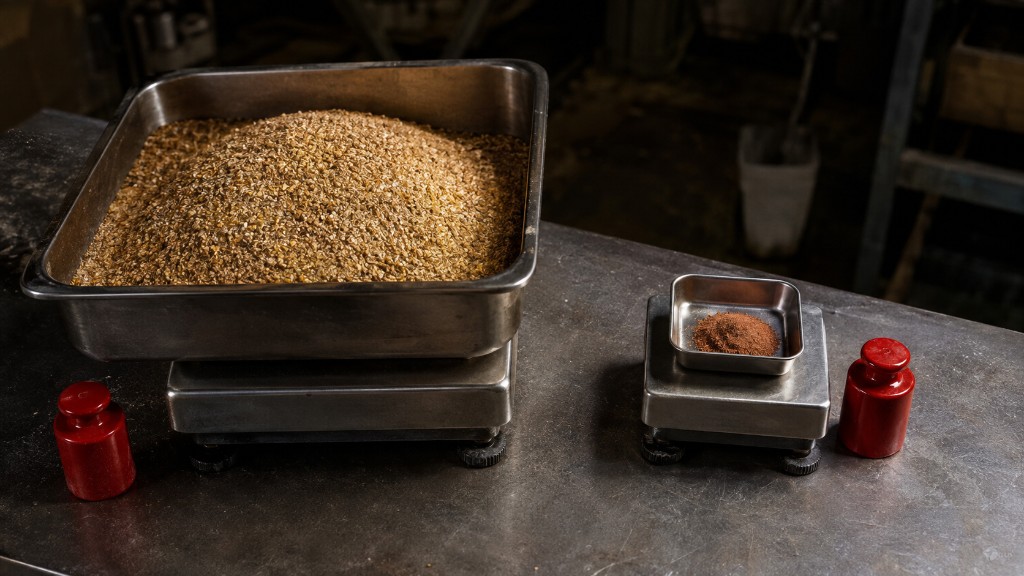 The Smaller the Inclusion, the Bigger a Fixed Scale Error BecomesScale accuracy is not one percentage that applies equally to every ingredient. Because relative deviation equals absolute weighing error divided by target weight, the same 1 kg error is 0.1% at 1,000 kg but 10% at 10 kg.
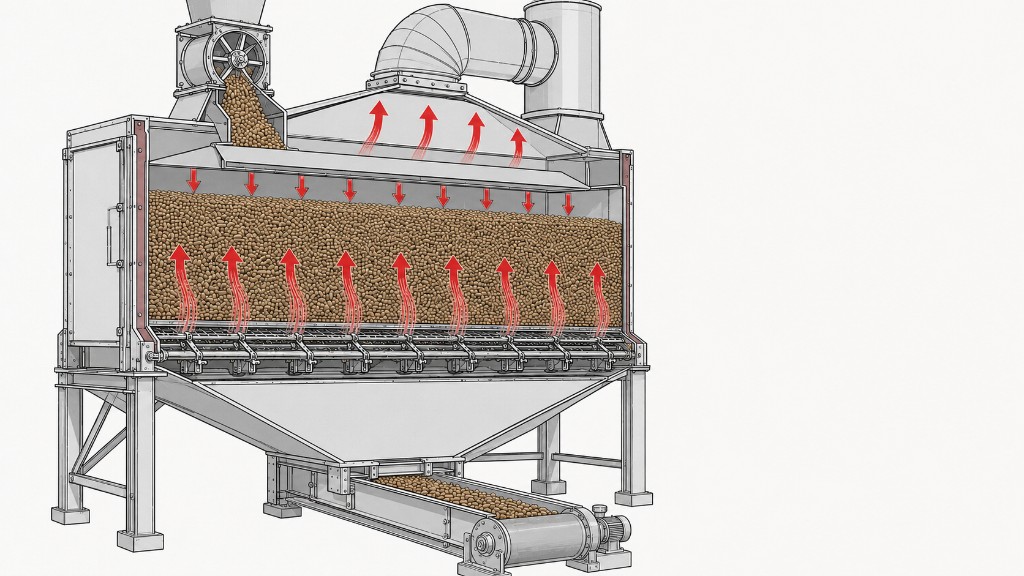 Pellet Cooling Has Two Targets: Temperature and MoistureCooling protects pellet quality and storage stability, but it also removes saleable water. A simple mass balance shows why mills should control outlet moisture and temperature together.
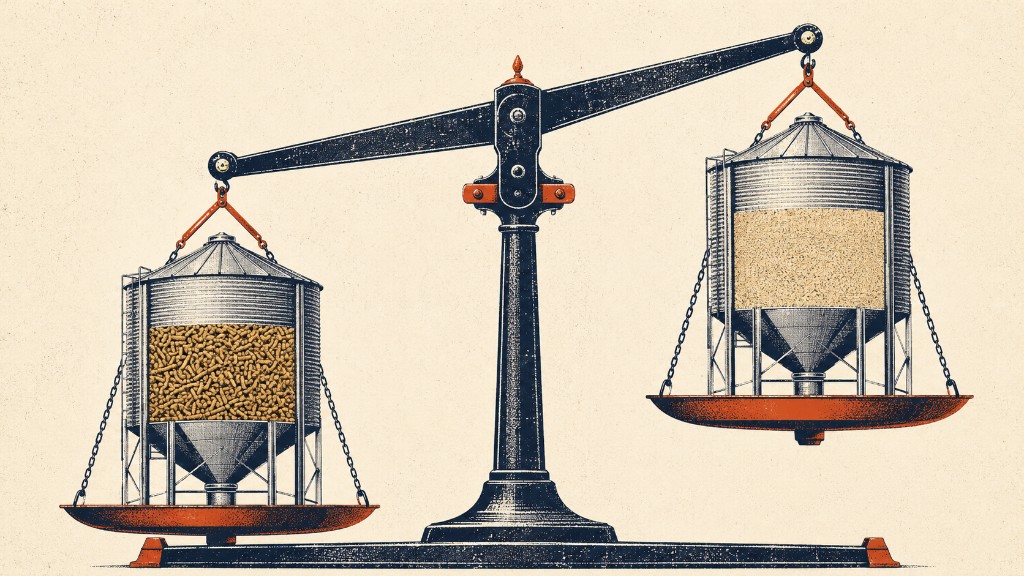 Why a “40-Tonne” Feed Bin Does Not Always Hold 40 TonnesA fixed bin volume can hold dramatically different tonnes when feed form and bulk density change. Mills that treat capacity as one permanent number risk split deliveries, overfills, and false inventory.

Continue on the desk
Briefs from other lanes worth a read while you are here.
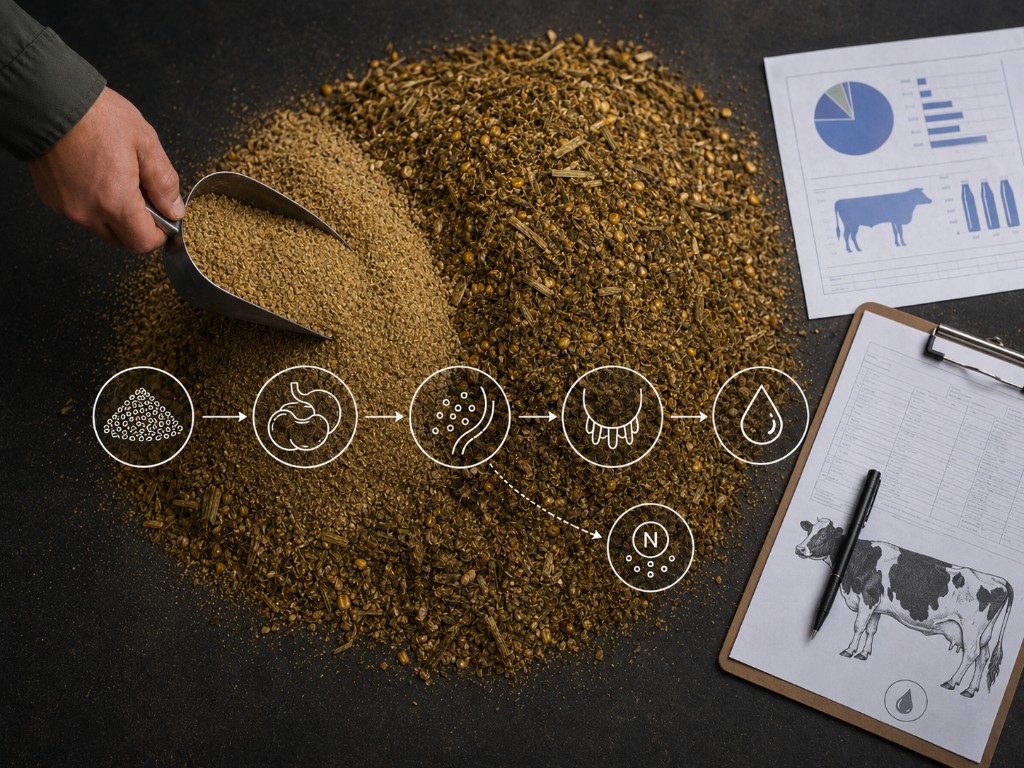 Feed & LivestockMore Crude Protein Is Not the Same as More Milk ProteinCrude protein describes how much nitrogen is in a ration, not how much balanced, digestible amino-acid supply reaches the mammary gland. Before increasing soybean meal, canola meal or another protein source, identify whether the real limitation is intake, rumen microbial protein, metabolizable protein, amino acids or energy.
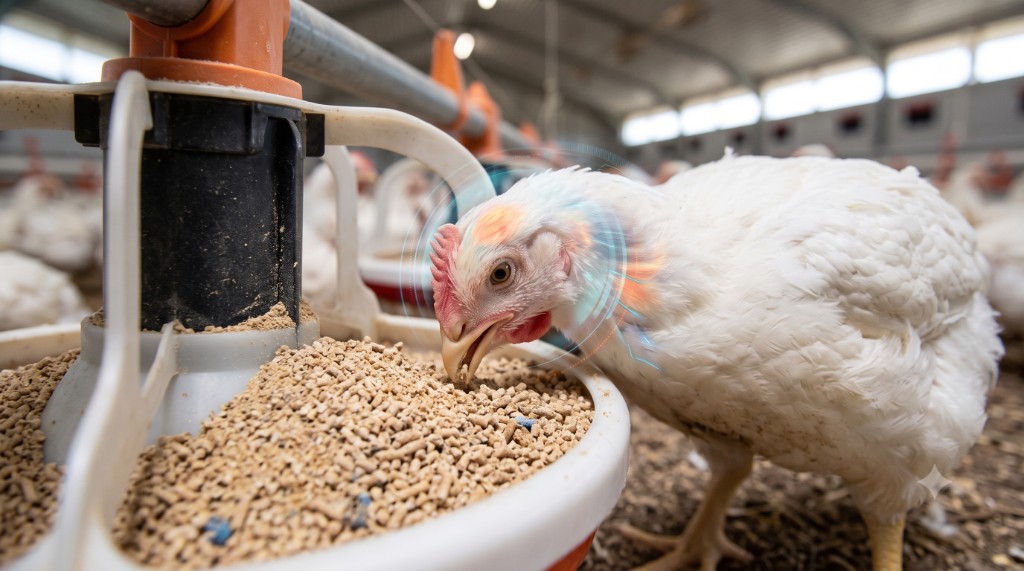 Feed & LivestockThe Hidden Caloric Cost of Pellet FinesFines are often treated as a handling nuisance. Effective Caloric Value research shows they can also drain up to 187 kcal/kg of apparent metabolizable energy through the physical effort of eating—changing FCR even when the formula on paper looks strong.
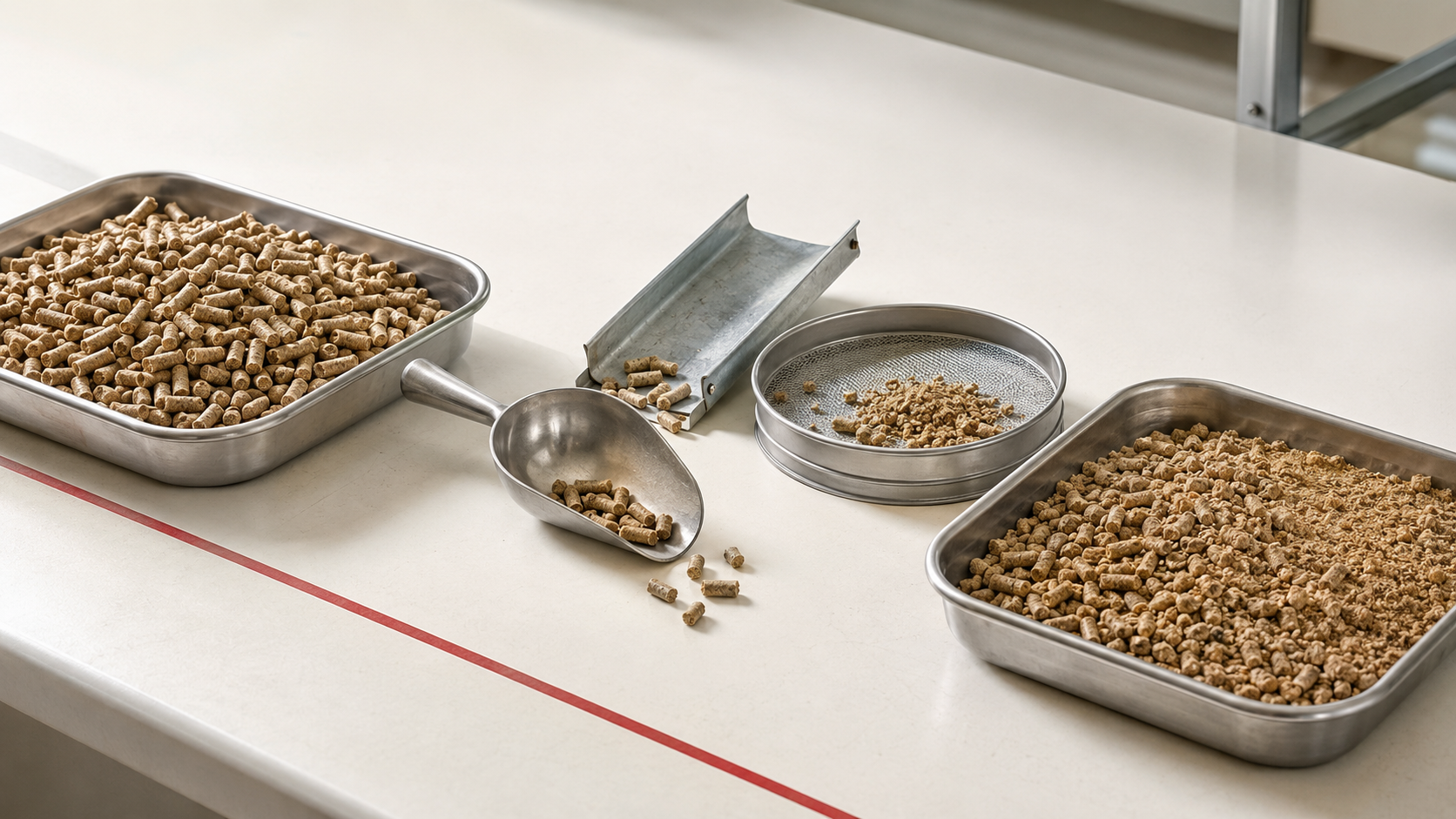 Logistics & DeliveryBroken Pellets Nearly Tripled. The Durability Test Barely Moved.A pellet durability index can remain high while the share of broken pellets in the load rises sharply. Mills need both mill-side PDI and downstream fines or breakage measurements to know what reaches the feeder.