Pellet Cooling Has Two Targets: Temperature and Moisture
A safe outlet temperature does not prevent avoidable shrink when pellets are overdried.
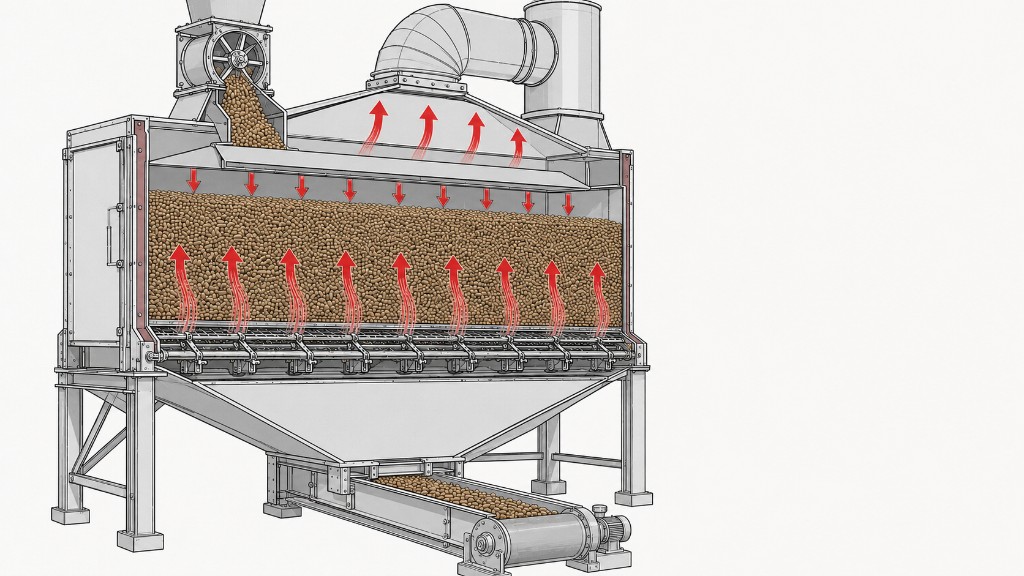

Courtesy of BarnX
A pellet cooler is often judged by one reading: Are the pellets close enough to ambient temperature? That check is essential, but it is not a complete release decision. Cooling removes moisture as well as heat. A cooler can therefore fail in two directions: pellets can leave too hot and wet for stable storage, or they can meet the temperature target after losing more saleable water than necessary.
Cooling is a heat-and-mass transfer process
Steam conditioning adds heat and moisture before the mash is pressed through the die. Friction adds more heat. In the cooler, unsaturated air passes through the pellet bed, warms, and carries water away. Moisture moves from the pellet core toward the surface while heat moves into the air.
The Feed Pelleting Reference Guide says an efficient cooler should reduce product temperature to within roughly 5–8°C of ambient; its maintenance checklist uses about 5–6°C above ambient as the operating check. The same guide notes that cooling may remove roughly 2–4 percentage points of moisture under the conditions discussed. Neither value is universal. Pellet diameter, density, formulation, inlet moisture, ambient air, bed depth, airflow and residence time all change the result.
Larger or denser pellets generally need more time because heat and internal moisture have farther to travel. More airflow alone is not a guaranteed correction. Air follows the path of least resistance. If the bed is uneven, low areas may be overdried while deeper areas remain warmer and wetter.
A temperature reading tells you whether enough heat was removed. It does not tell you how much product mass left with the exhaust air.
A 1.5-point moisture difference can equal about 17 kg
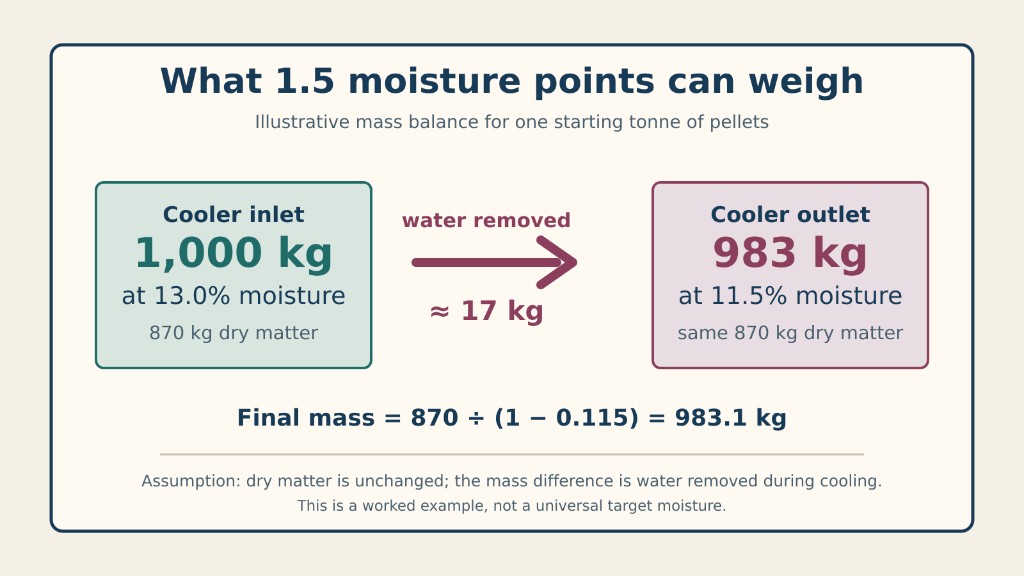
Consider an illustrative one-tonne lot entering the cooler at 13.0% moisture. Dry matter stays constant at 870 kg; if outlet moisture is 11.5%, final mass is 983.1 kg and about 17 kg of water leaves with the exhaust air.
Courtesy of BarnX
The 17 kg has not disappeared through an inventory error. It left as water vapour. Across 100 starting tonnes, the same mass balance represents about 1.7 tonnes. This calculation assumes dry matter is unchanged and compares two measured moisture contents on a wet basis. It demonstrates the mechanism; it does not establish 13.0% or 11.5% as a target for every product.
Undercooling has the opposite cost. Hot product transferred into a cooler bin, bag or truck can release moisture as it approaches the surrounding temperature. The University of Florida warns that rapid temperature reduction is needed to limit moisture migration and condensation that can support fungal and bacterial growth. The pelleting guide similarly warns that hot bagged pellets may develop surface condensation and mould.
Control a window, not a single number
The useful operating limit is formula- and system-specific. Establish an approved outlet window for both temperature and moisture, then verify it with representative samples rather than a single handful.
For each product or product family:
- Record ambient air at the cooler intake, inlet and outlet pellet temperature, and inlet and outlet moisture.
- Sample across the discharge after the process reaches steady operation; uneven beds can produce uneven results.
- Trend throughput, pellet diameter, bed depth, airflow or damper position, and residence-time setting with the results.
- If pellets are hot, inspect bed distribution, blocked airflow paths, fan performance and residence time before simply maximizing airflow.
- If pellets are consistently too dry, adjust airflow or residence time within the equipment manufacturer’s limits, then confirm that temperature and storage stability remain acceptable.
More in Mill Operations
Other briefs in this lane — each stands on its own.
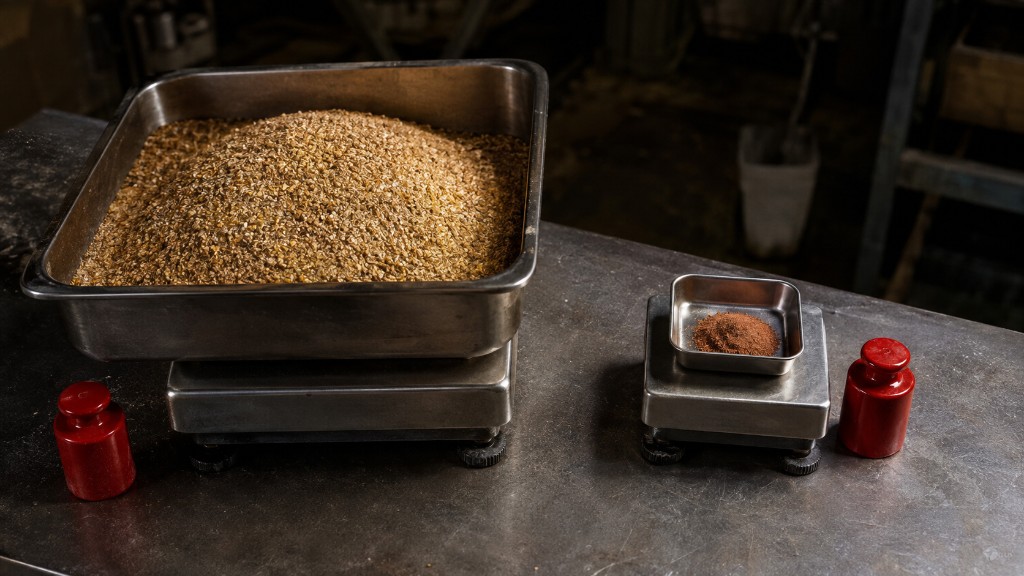 The Smaller the Inclusion, the Bigger a Fixed Scale Error BecomesScale accuracy is not one percentage that applies equally to every ingredient. Because relative deviation equals absolute weighing error divided by target weight, the same 1 kg error is 0.1% at 1,000 kg but 10% at 10 kg.
 One Rush Order Can Break the SequenceFeed sequencing is more than an efficient way to arrange the production board. When an urgent order changes the run, the mill must reassess the product, species and entire equipment path before the next batch enters the system.
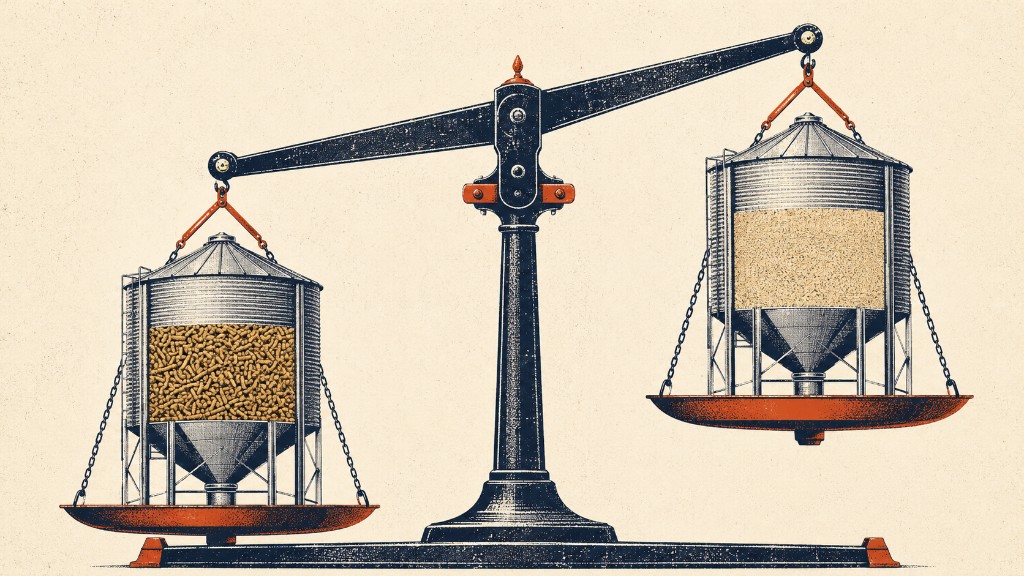 Why a “40-Tonne” Feed Bin Does Not Always Hold 40 TonnesA fixed bin volume can hold dramatically different tonnes when feed form and bulk density change. Mills that treat capacity as one permanent number risk split deliveries, overfills, and false inventory.

Continue on the desk
Briefs from other lanes worth a read while you are here.
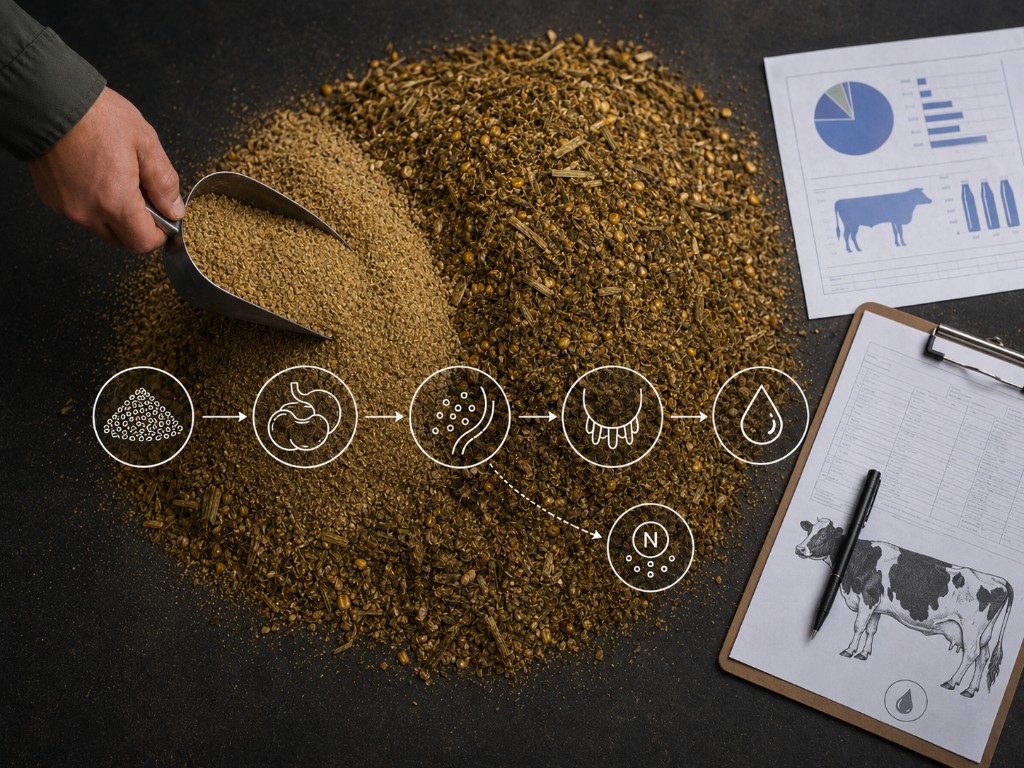 Feed & LivestockMore Crude Protein Is Not the Same as More Milk ProteinCrude protein describes how much nitrogen is in a ration, not how much balanced, digestible amino-acid supply reaches the mammary gland. Before increasing soybean meal, canola meal or another protein source, identify whether the real limitation is intake, rumen microbial protein, metabolizable protein, amino acids or energy.
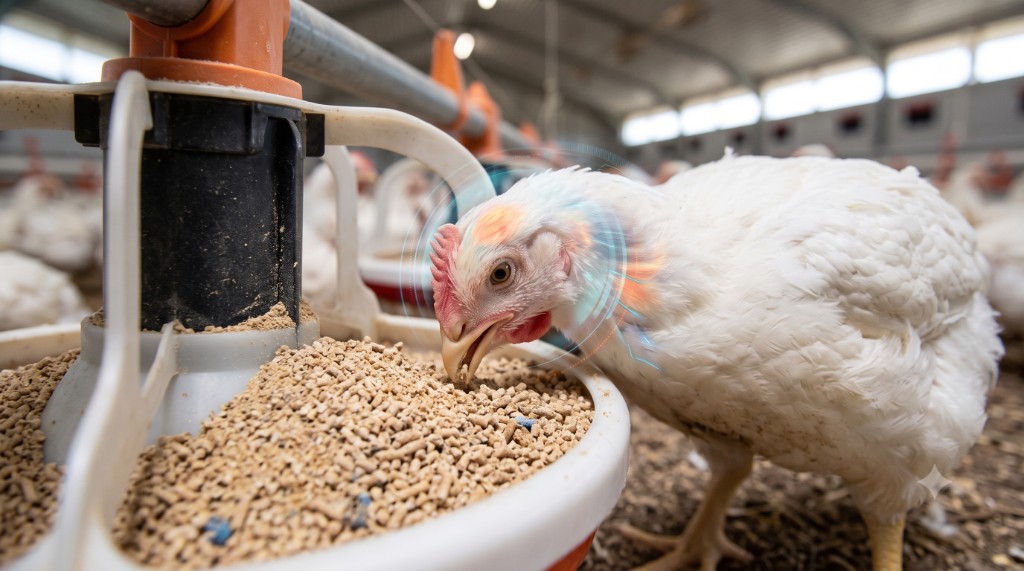 Feed & LivestockThe Hidden Caloric Cost of Pellet FinesFines are often treated as a handling nuisance. Effective Caloric Value research shows they can also drain up to 187 kcal/kg of apparent metabolizable energy through the physical effort of eating—changing FCR even when the formula on paper looks strong.
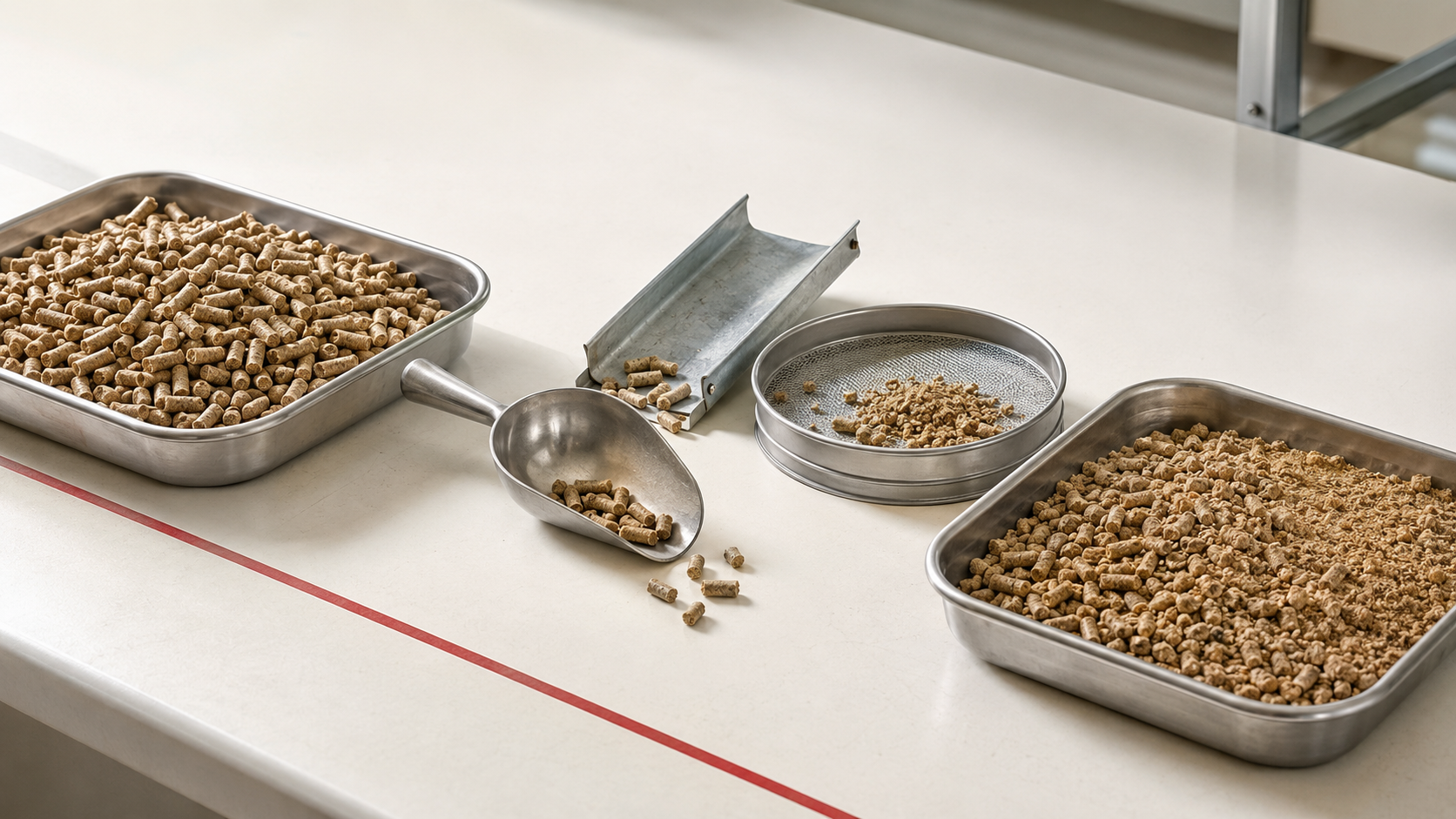 Logistics & DeliveryBroken Pellets Nearly Tripled. The Durability Test Barely Moved.A pellet durability index can remain high while the share of broken pellets in the load rises sharply. Mills need both mill-side PDI and downstream fines or breakage measurements to know what reaches the feeder.